The Contagion of Indifference

The heaviest moments in a therapy room are not filled with tears or anger. They are filled with nothing at all. And it's this exact emptiness that is paralyzing our response to the planet.
There is a specific kind of silence that happens in my clinic, and it is the hardest part of my job. It doesn't happen when a patient is crying or venting their anger. Anger has energy. Tears mean there is still a connection to something that matters.
The silence I dread is the weight of indifference.
It is the moment a client sits across from me, looks out the window, and shrugs. They aren't sad anymore; they just don't care. They tell me they haven't washed the dishes in four days, that their job feels like a simulation, that nothing they do will change anything anyway.
The terrifying thing about this apathy is how contagious it is. I hold space for a living, but there are days when that heavy, gray numbness leaks across the room. It sits on my chest. For an hour, I find myself drowning in their hopelessness, wondering if they might be right. What is the point of any of this?
It took me a long time to realize that this room is just a microcosm of the world outside.
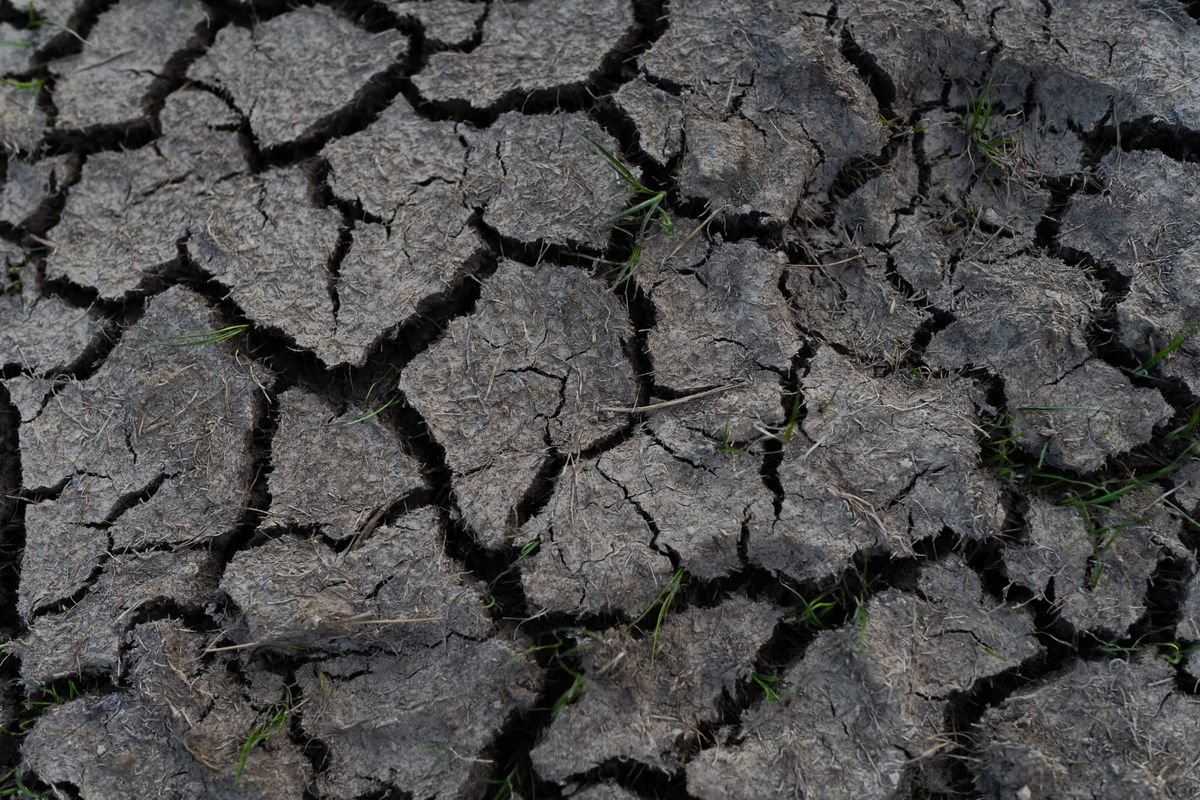
When people look at the climate crisis, they think the biggest enemy is greed or climate denial. I don't think it is. The real enemy is that exact same shrug. It's the collective apathy of millions of people who have been so bombarded with apocalyptic headlines that their nervous systems have simply shut down to protect themselves. We see a picture of dying coral reefs or cracked, bleeding topsoil, and instead of fighting, we close the tab. We become indifferent because the alternative is to feel a pain that is too vast to carry.
During my Permaculture Design Course, we spent hours studying the soil food web. I remember the tutor digging up a handful of healthy earth and telling us to just look at it. It wasn't a dead resource; it was a chaotic, crowded city of fungi, earthworms, and billions of microbes all moving, recycling, and creating life. It was the absolute opposite of stagnation. It was active, quiet, effortless movement.
Permaculture taught me that when a piece of land is degraded, sealed over, and compacted by decades of heavy use, it stops absorbing water. It becomes stagnant. The life under the surface doesn't die — it goes still, the way any living system does when it's been pushed past what it can process. The soil effectively enters a kind of biological apathy: not dead, just paused, holding everything it needs to come back the moment the pressure finally lifts.
We are doing the same thing to ourselves. Our modern, high-tech way of living has compacted our lives. We have treated our minds like industrial factories, pumping them with inputs until our internal ecosystem has collapsed into indifference.
We think we are paralyzed because the climate crisis is too big to solve. But the truth is more clinical: we are paralyzed because we have let our connection to the living world die. Indifference is what happens when you treat the earth under your boots as just "dirt" and your life as just a series of tasks to optimize.
I didn't start this blog to give you data or to lead a revolution. I started it as a way to push back against the gray numbness that sits in my office.
If you feel hopeless about the world, I am not here to tell you to cheer up or to buy a solar panel. I just want to invite you to stop looking at the screens and look down. Learn about the soil. Understand how a single root system can heal a patch of dead ground just by existing and growing — quietly pulling carbon back down into the earth the whole time, without needing anyone to notice.
We don't need a high-tech miracle to save us. We need to catch the shrug before it hardens into something permanent — in ourselves, in each other, in the room we're sitting in right now. That's a harder thing to ask of anyone than buying a solar panel. It might also be the only thing that actually works.